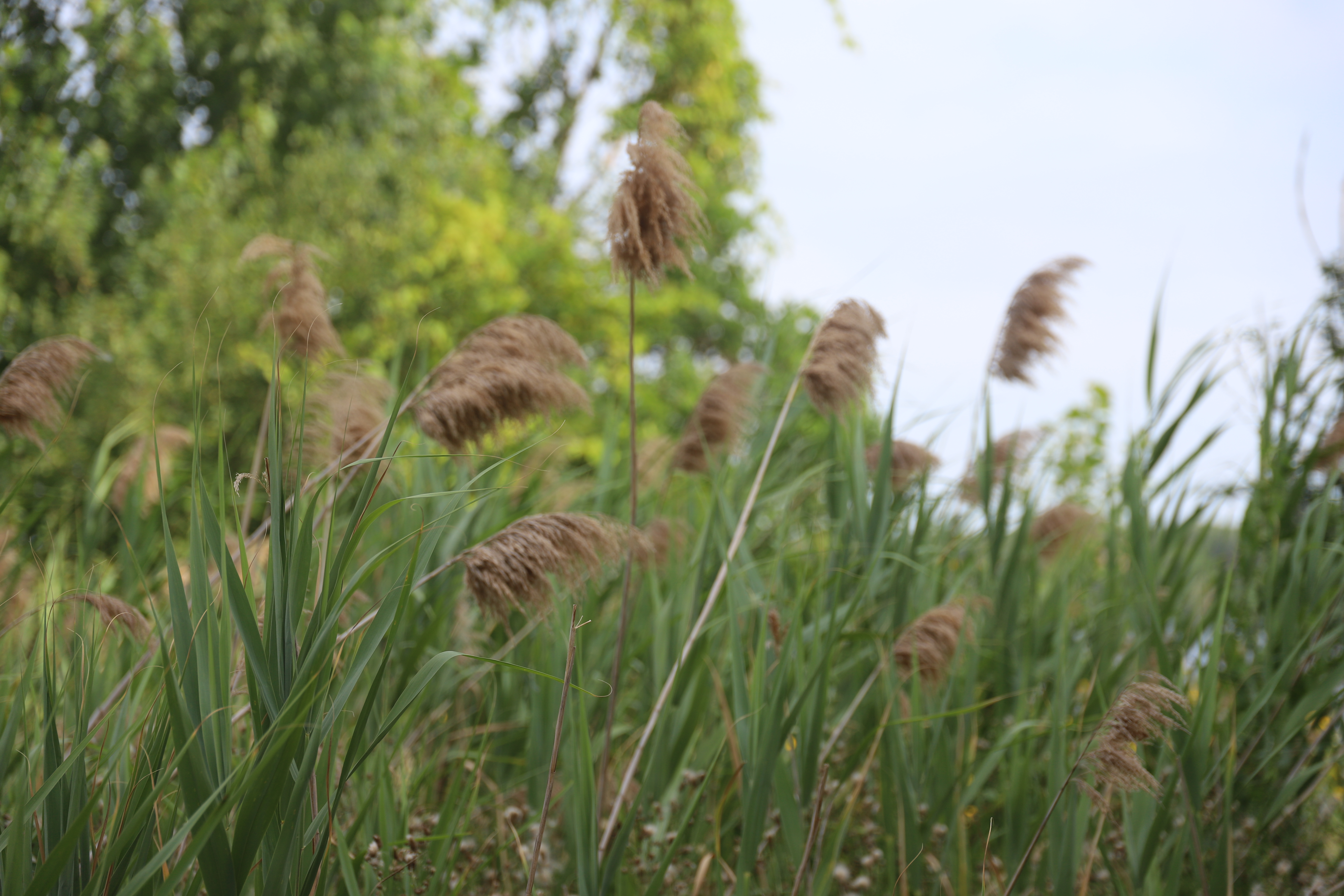
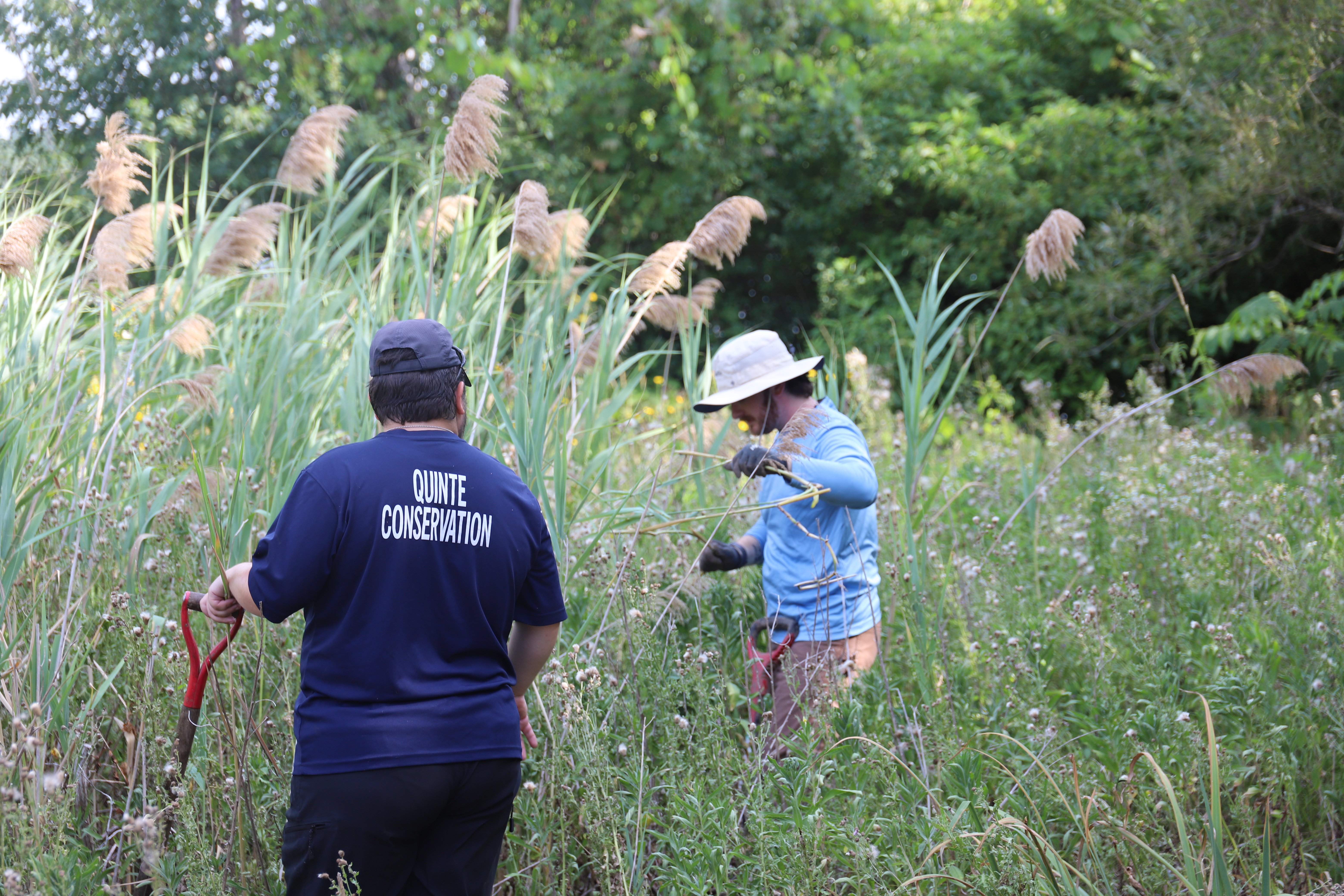
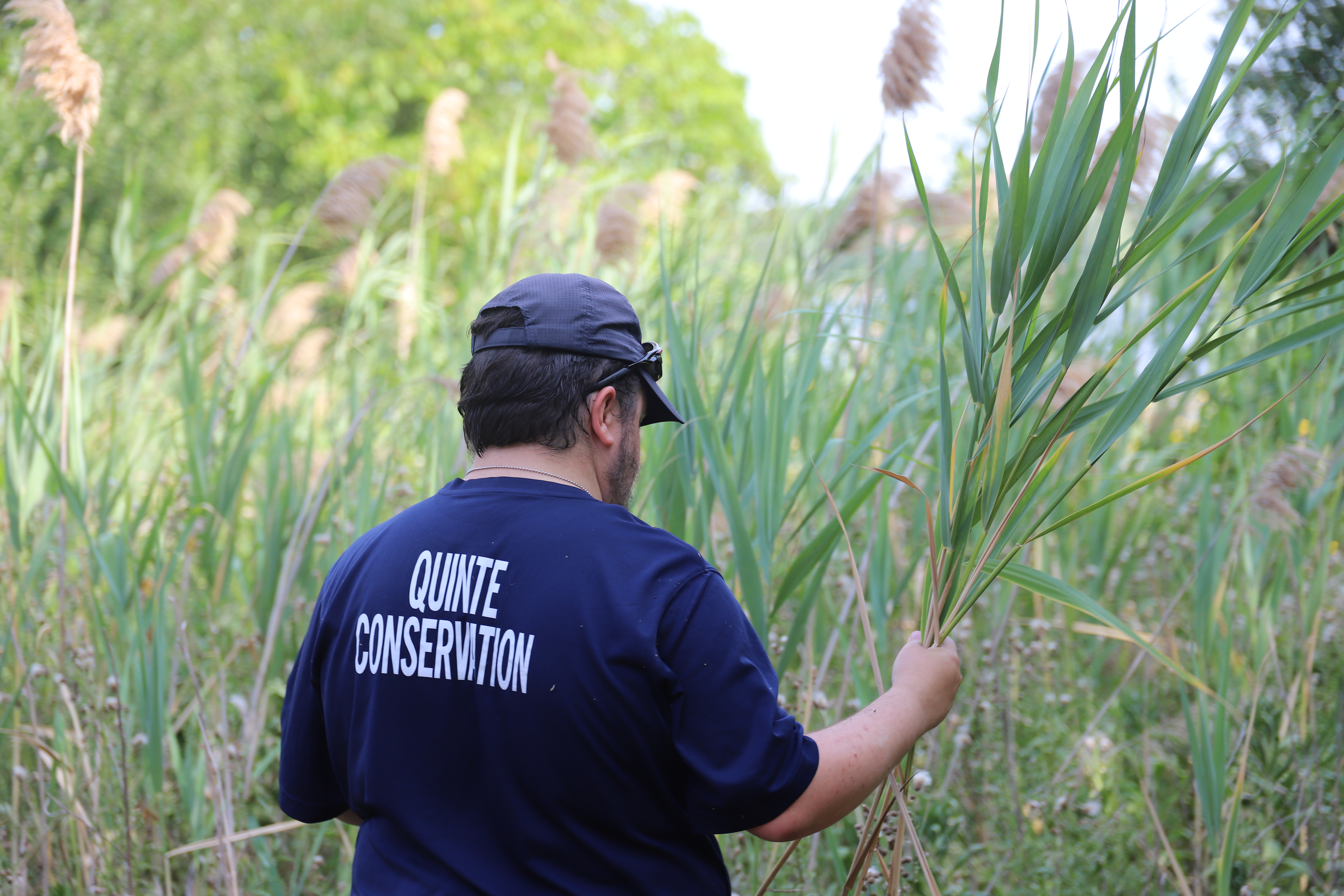
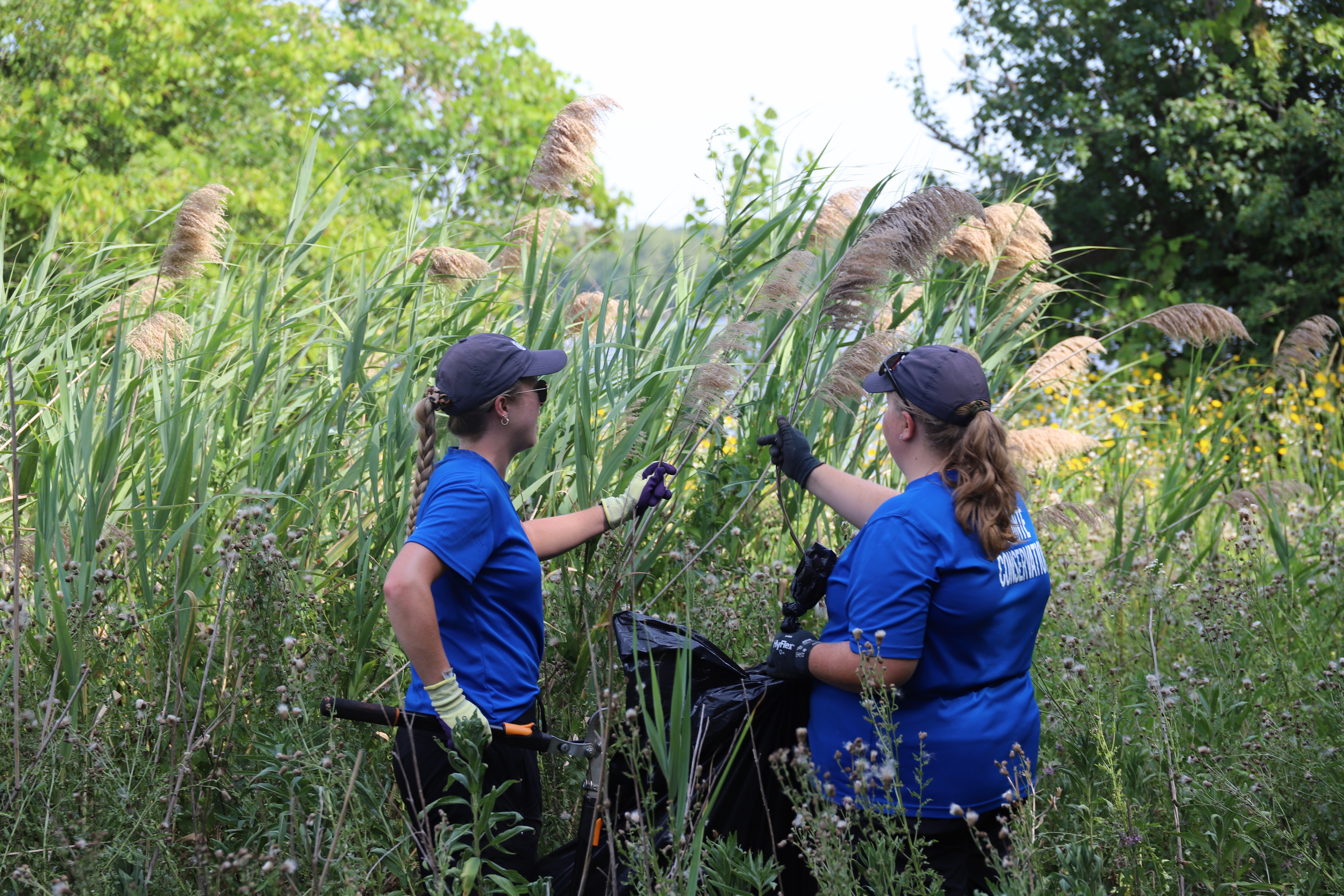
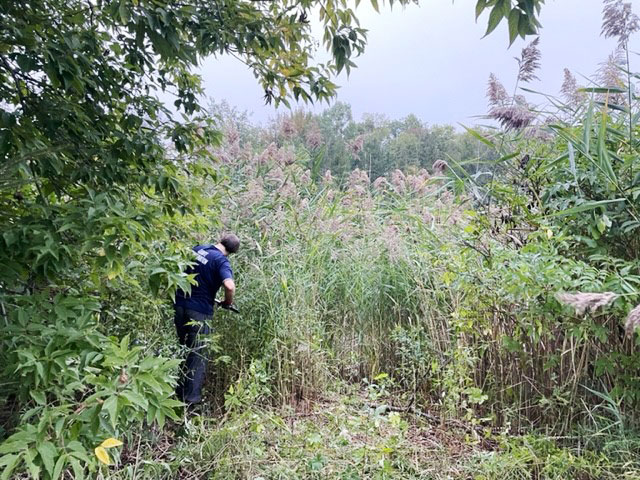
| The Invasive Phragmites Control Centre (IPCC) and Quinte Conservation are working with the municipalities of The City of Belleville and Prince Edward County to mitigate the spread of Invasive Phragmites in the Quinte Watershed. Starting the week of August 17, 2026, an experienced team team of professional applicators will be applying a pesticide treatment to the Invasive Phragmites colonies listed in the notices below. |
Why Control Phragmites?Invasive Phragmites is an aggressive non-native plant that: Controlling invasive Phragmites supports the restoration of native ecosystems and helps protect the environmental, recreational, and agricultural resources of Prince Edward County. |
For More InformationDan Butler, Invasive Species Technician with Quinte Conservation 343-645-3311 |
Media Release |
City of Belleville
The Invasive Phragmites Control Centre (IPCC), Quinte Conservation, and the City of Belleville intend to control invasive European Common Reed (Phragmites australis subsp. australis) within municipal road allowances and other City-owned properties throughout the City of Belleville. Treatments will target established populations of invasive Phragmites identified through the Quinte Region Phragmites Management Area (QRPMA) roadside monitoring program.
Treatment Areas
Treatment sites are located throughout the City of Belleville, including:
•Dundas Street West and Avonlough Road
•Haig Road and Oak Ridge Boulevard area
•Station Street corridor
•Airport Parkway West corridor
•Casey Road
•Cannifton Road
•River Road
•Mudcat Road and Country Charm Drive area
•Millennium Parkway commercial area
•Cloverleaf Drive
•Sidney Street corridor
•Bell Boulevard corridor
•Hannafin Road
•Enterprise Drive
•Wallbridge Loyalist Road corridor
•Moira Street West
•Point Anne Road
•Scuttlehole Road and Bronk Road area
•Bellevue Drive
A complete list of treatment locations is available through Quinte Conservation and the City of Belleville. Treatment areas include both terrestrial and wet roadside habitats. Several sites occur in wetlands, stormwater infrastructure, and drainage features.
Pesticides to be Used
The contractor will use pesticides registered under the Pest Control Products Act (Canada):
Terrestrial (Dry) Sites
VisionMAX Herbicide (PCP Registration No. 27736) / Timberline Herbicide (PCP Registration No. 33456)
Active Ingredient: Glyphosate (present as potassium salt).
Surfactant/Adjuvant: MSO Concentrate with Leci-Tech (PCP Registration No. 28385)
Active Ingredient/Guarantee: Methylated seed oil of soybean 70%.
Aquatic/Wet Sites
Habitat Aqua Herbicide (PCP Registration No. 32374)
Active Ingredient: Imazapyr (present as isopropylamine salt).
Aquasurf Non-Ionic Spray Adjuvant (PCP Registration No. 32152)
Active Ingredient: Surfactant blend.
These pesticides will be used by licensed applicators to control invasive Phragmites populations in accordance with all federal and provincial regulations. The pesticide use is in accordance with the exception to Ontario's cosmetic pesticide ban under subsection 7.1(2) of the Pesticides Act for the management, protection, establishment, and restoration of natural resources as prescribed in Section 28(1) of Regulation 63/09.
Treatment Timing
Applications are expected to commence the week of August 17, 2026, weather permitting, and conclude by the end of the week. Treatment dates may vary depending on site conditions and weather.
Prince Edward County
The Invasive Phragmites Control Centre (IPCC), Quinte Conservation, and Prince Edward County intend to control invasive European Common Reed (Phragmites australis subsp. australis) within municipal road allowances and other County-owned properties throughout Prince Edward County. Treatments will target established populations of invasive Phragmites identified through the Quinte Region Phragmites Management Area (QRPMA) roadside monitoring program.
Treatment Areas
Treatment sites are located throughout Prince Edward County, including:
•County Road 2 corridor
•County Road 3 corridor
•County Road 4 corridor
•County Road 5 corridor
•County Road 10 corridor
•County Road 19 corridor
•County Road 23 corridor
•County Road 28 corridor
•North Big Island Road
•Marsh Road
•Bakker Road
•Gardenville Road
•Harbard Road
•Vienna Road
•Oram Road
•Ridge Road
•Miller Road
•Royal Road
•Salisbury Road
•Olde Stone Road
Treatment sites include both terrestrial and wet roadside habitats. Several locations occur within or adjacent to wetlands, including areas associated with Sawguin Creek Wetland and roadside drainage features.
Pesticides to be Used
The Invasive Phragmites Control Centre (IPCC) will use pesticides registered under the Pest Control Products Act (Canada):
Terrestrial (Dry) Sites
VisionMAX Herbicide (PCP Registration No. 27736) / Timberline Herbicide (PCP Registration No. 33456)
Active Ingredient: Glyphosate (present as potassium salt).
Surfactant/Adjuvant: MSO Concentrate with Leci-Tech (PCP Registration No. 28385)
Active Ingredient/Guarantee: Methylated seed oil of soybean 70%.
Aquatic/Wet Sites
Habitat Aqua Herbicide (PCP Registration No. 32374)
Active Ingredient: Imazapyr (present as isopropylamine salt).
Aquasurf Non-Ionic Spray Adjuvant (PCP Registration No. 32152)
Active Ingredient: Surfactant Blend.
These pesticides will be used by licensed applicators to control invasive Phragmites populations in accordance with all federal and provincial regulations. Pesticide use is in accordance with the exception to Ontario's cosmetic pesticide ban under subsection 7.1(2) of the Pesticides Act for the purpose of managing, protecting, establishing, or restoring natural resources as prescribed in Section 28(1) of Regulation 63/09.
Treatment Timing
Applications are expected to commence the week of August 17, 2026 (weather permitting) and conclude by the end of the week. Treatment dates may vary depending on site conditions and weather.